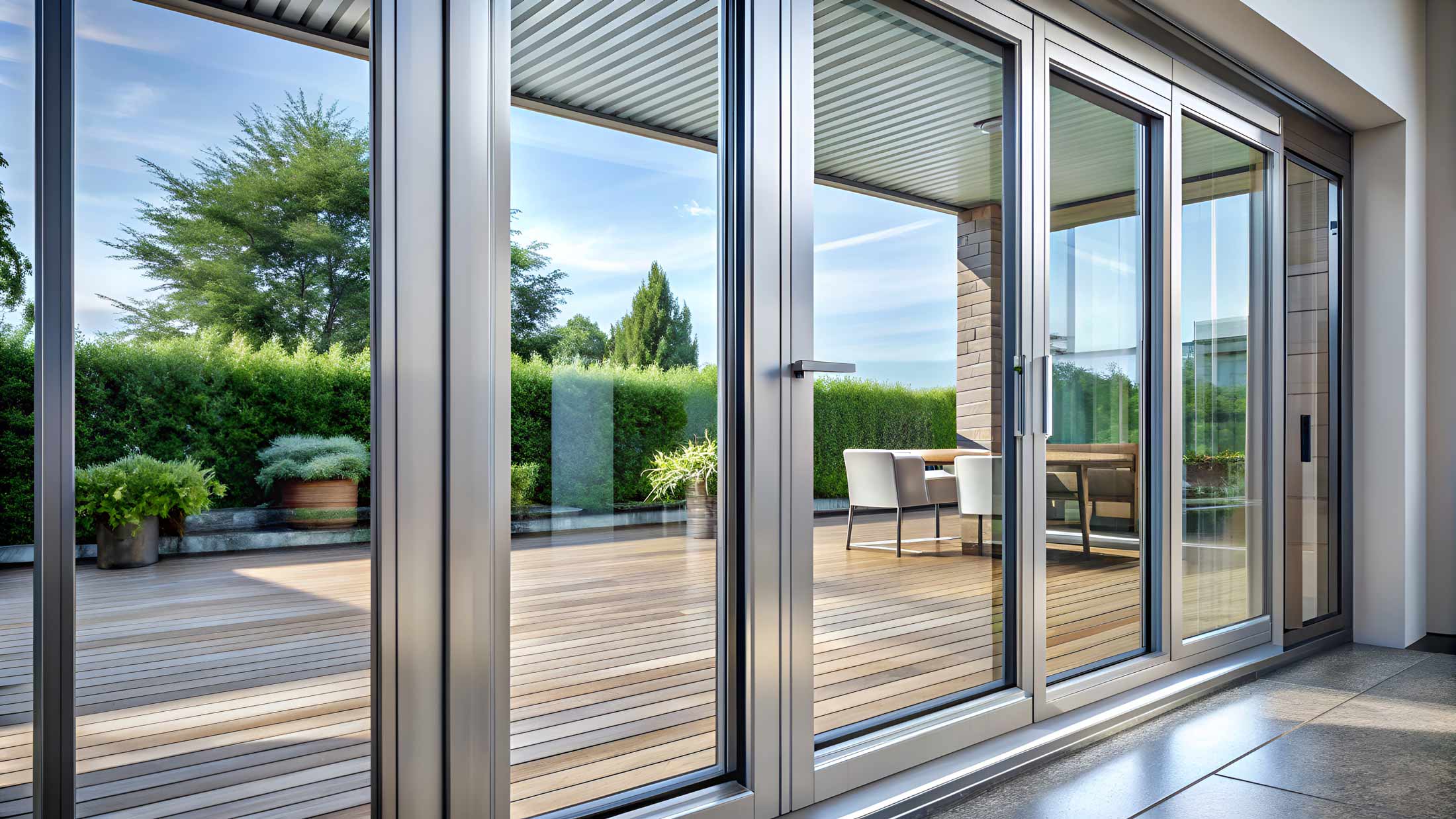
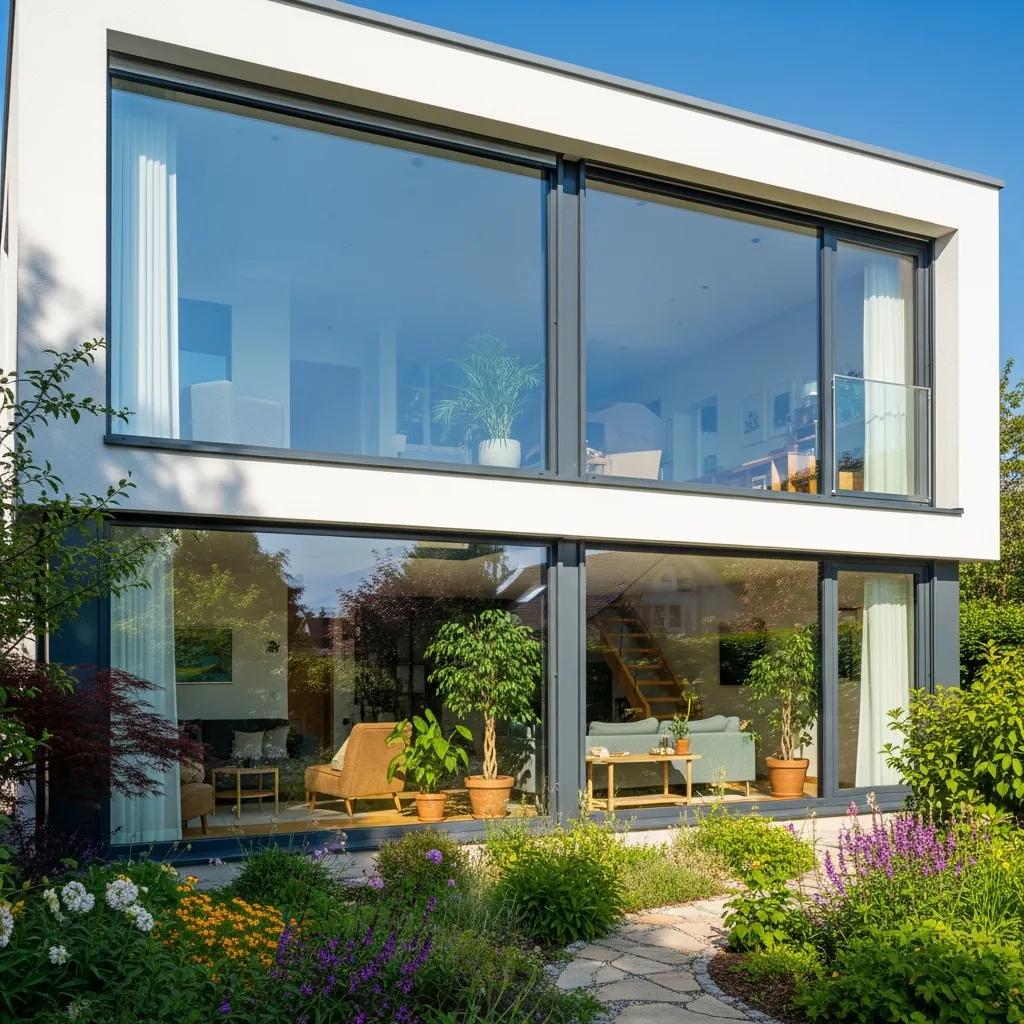
Understanding Energy-Efficient Windows
Energy-efficient windows are designed to reduce energy consumption by minimizing heat transfer. They play a crucial role in maintaining indoor temperature, leading to lower heating and cooling costs for homeowners.
These windows typically feature double or triple glazing, low-emissivity (low-E) coatings, and gas fills between panes. For instance, low-E coatings reflect infrared light, keeping heat inside during winter and blocking it during summer, which enhances overall comfort and energy savings.
Benefits of Upgrading to Energy-Efficient Windows
Upgrading to energy-efficient windows offers numerous advantages, including increased comfort, reduced energy bills, and enhanced property value. Homeowners can enjoy a more consistent indoor climate while contributing to environmental sustainability.
In addition to cost savings, energy-efficient windows can also provide UV protection for furnishings and decor, preventing fading and damage. Many homeowners report a significant decrease in their energy consumption after making this upgrade, showcasing its long-term financial benefits.
Installation Tips for Energy-Efficient Windows
Proper installation is critical to maximizing the benefits of energy-efficient windows. Homeowners should consider hiring a professional installer to ensure that the windows are fitted correctly, preventing air leaks and maximizing insulation.
Before installation, it's essential to measure window openings accurately and choose the right type of window frame that complements the home’s architecture. For example, vinyl frames are popular for their durability and low maintenance, while wood frames offer aesthetic appeal but require more upkeep.
Choosing the Right Energy-Efficient Windows for Your Home
Selecting the right energy-efficient windows involves understanding various factors such as climate, window orientation, and personal preferences. Homeowners should assess their specific needs and consider the energy performance ratings of different window models.
It’s also beneficial to consult with experts who can provide insights on the best materials and styles for energy efficiency in the local climate. For instance, in Phoenix, windows with high solar heat gain coefficients may be preferable to combat the intense sun, enhancing energy savings further.