Choosing the right windows can cut energy use, quiet your home, and improve comfort. This guide breaks down the window types, ratings, materials, and installation factors you need to weigh so you can make a practical, long lasting choice. Read on for clear guidance on ratings, glazing and frame options, installation impact, costs, and routine maintenance.
What Are the Key Energy Efficiency Ratings for Windows?
- Energy Star certification - Confirms the product meets U.S. federal energy efficiency guidelines from the EPA and DOE.
- U-factor - Shows how quickly heat passes through the window; lower numbers mean better insulation.
- Solar Heat Gain Coefficient (SHGC) - Measures how much solar heat enters through the glass; lower values help in hot climates.
- Visible Transmittance (VT) - Tells you how much visible light the window lets in.
These metrics give you an apples‑to‑apples way to judge performance and pick the right product for your climate and goals.
Types of Energy Efficiency Ratings for Windows
Description
Importance
Energy Star
Certification for energy‑efficient products
Verifies compliance with established efficiency standard
U-factor
Measures heat transfer
Lower values = better insulation
SHGC
Measures solar heat transmission
Lower values reduce cooling loads
Visible Transmittance (VT)
Measures visible light transmission
Higher values increase daylight inside
How to Read U-factor, SHGC, and VT in Context
Why Energy Star Certification Matters
Which Window Materials Deliver the Best Efficiency?
Comparing Vinyl, Wood, Fiberglass, and Aluminum Frames
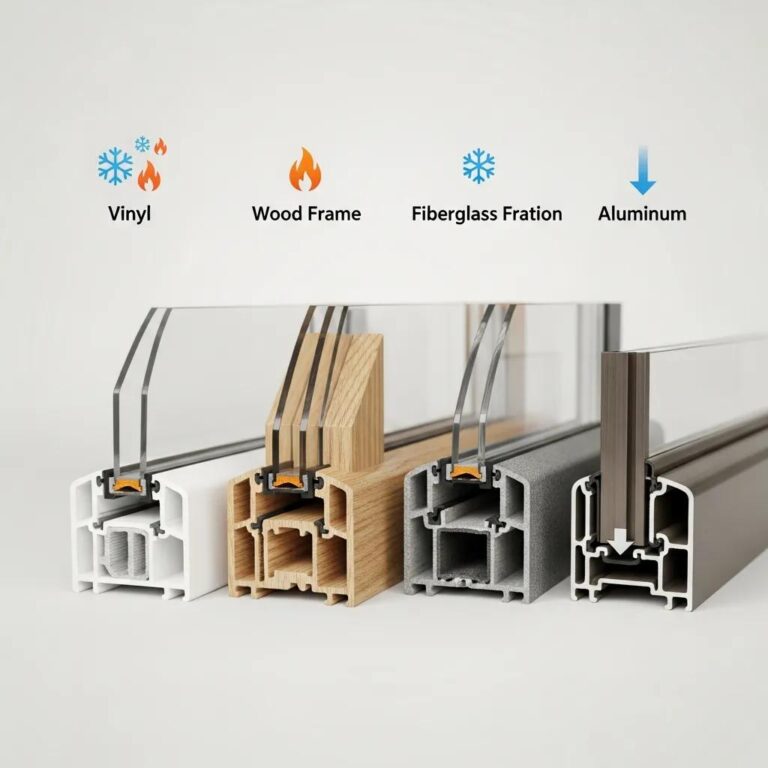
Consider these common frame options:
- Vinyl : Good insulation, low maintenance, and cost‑effective.
- Wood : Natural insulator with strong aesthetics but needs more upkeep.
- Fiberglass : Durable and energy‑efficient, often pricier but long‑lasting.
- Aluminum : Lightweight and slim‑profile; choose thermally broken aluminum for improved efficiency.
Each material brings tradeoffs in cost, maintenance, and thermal performance. Pick the best fit for your home and budget.
How Frame Choice Affects Durability and Savings
Frames that insulate well and resist weathering (vinyl, fiberglass, properly treated wood) reduce heat loss and maintenance costs. Aluminum with thermal breaks can perform acceptably while offering slimmer sightlines. The right frame helps your windows last and saves energy over time.
What Glazing and Coatings Improve Energy Performance?
Double and triple panes boost insulation. Low‑E (low emissivity) coatings reflect infrared heat to keep interiors stable and reduce heating and cooling demands.
Double Pane vs. Triple Pane: What You Gain
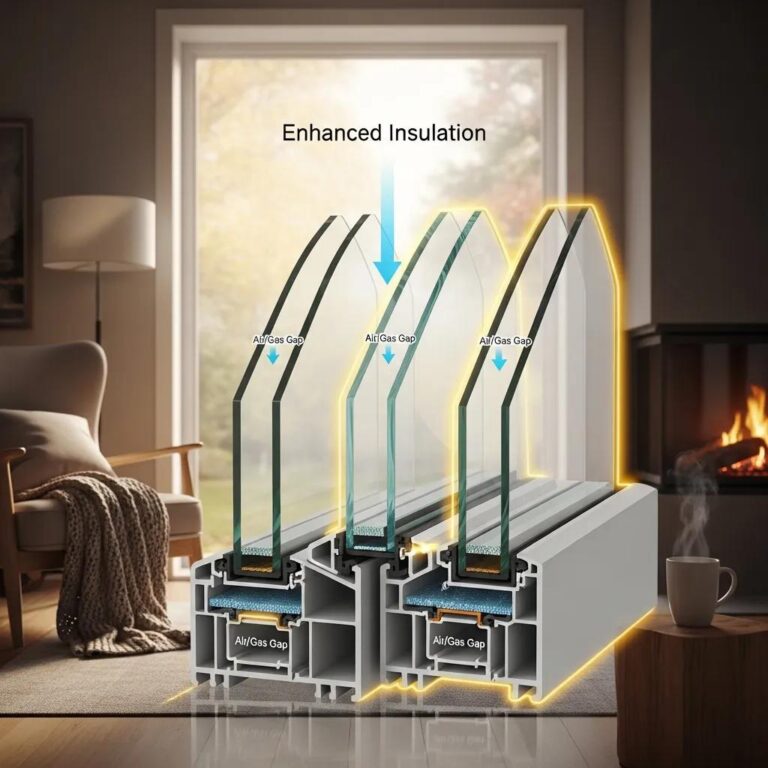
Triple‑pane windows offer several advantages over double‑pane:
- Better energy efficiency : More glass and gas fills increase thermal resistance and cut heat transfer.
- Superior sound insulation : Extra layers dampen outside noise for a quieter interior.
- Improved security : Heavier, more robust construction can be tougher to breach
- Greater comfort : Fewer drafts and steadier indoor temperatures.
- Environmental benefits : Lower energy use means reduced carbon emissions.
- Long service life : Properly made triple pane units last decades with routine maintenance.
Triple glazing typically costs more upfront (commonly about 10% to 20% higher than double glazing), but the long‑term energy savings and comfort gains can justify the investment in many cases.
How Low‑E Glass Works
Thermal Performance of Triple Glazed Windows with Low‑E & PCM - Experimental work compares four configurations: standard triple glazing with air gaps (TG); triple glazing with a Low‑E outer pane (TG‑LW); and configurations that place a phase change material (PCM) in one gap (TG‑PCM) to assess how these choices change heat flow and storage.
Experimental Investigation of the Thermal Performance of Triple Glazed Windows Integrated with PCM and Low‑E Glass, M. Baccar, 2024
How Much Does Professional Installation Matter?
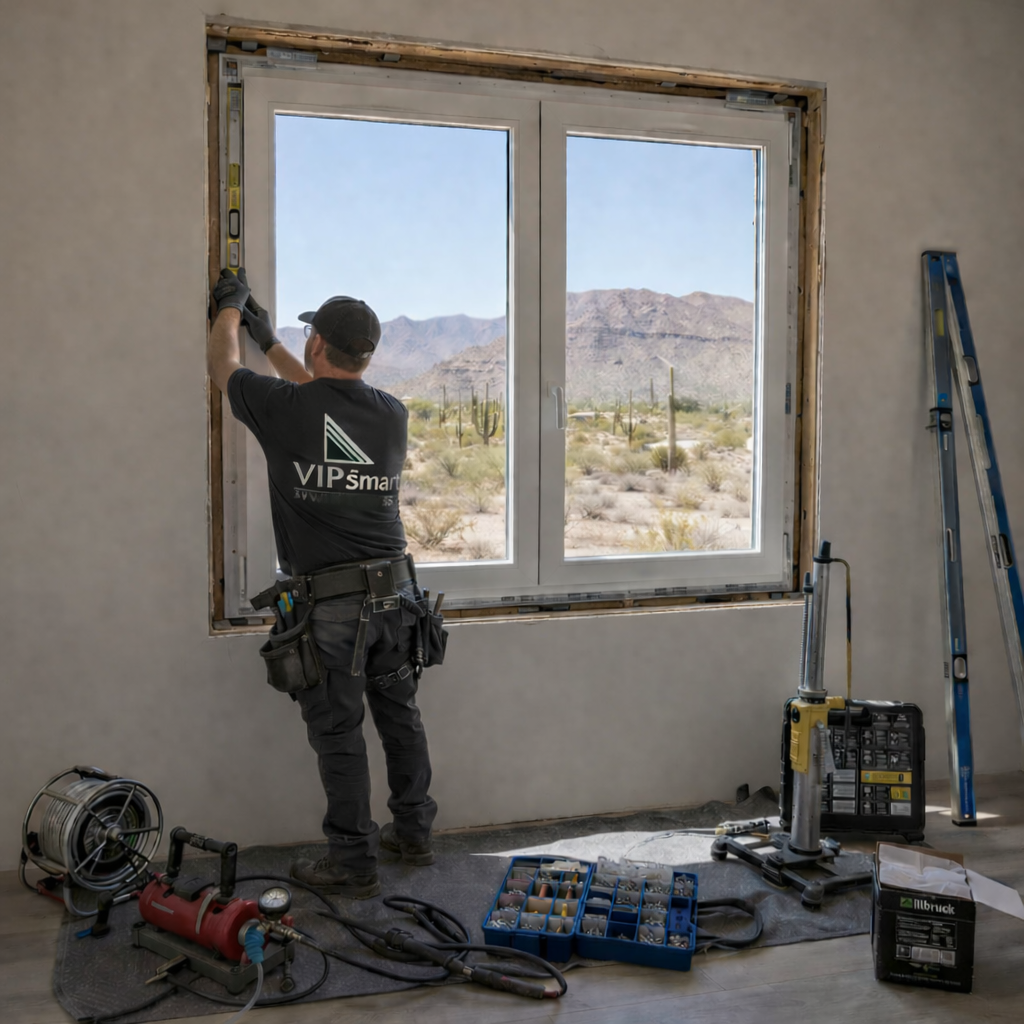
Installation quality is critical. Well‑installed windows stay airtight, perform to spec, and last longer. Poor fit or sealing can erase most of the efficiency benefits of high‑performance glass.
Best Practices for Air Sealing and Fit
Follow these practical steps to keep windows airtight:
- Regular inspection : Check seals and frames for damage and debris.
- Cleaning : Clean seals with mild soap and water to keep them flexible.
- Prompt replacement : Replace worn seals before performance declines.
- Quality materials : Use good weatherstripping, silicone sealants, and insulated frames.
- Professional installation : Hire experienced installers and follow manufacturer instructions.
- Effectiveness testing : Use a smoke pencil or incense stick around closed edges to spot leaks.
These steps protect the investment you make in better windows and deliver the expected energy savings.
Installation Quality and Long Term Savings
Proper installation preserves airtight seals and overall performance. When windows are fitted and sealed correctly, they reduce heat loss, lower energy bills, and maintain comfort year after year.
Costs and Energy Savings from Replacing Windows
Energy Savings with High‑Performance Triple Glazing - Research shows that heat transfer and air leakage through the building envelope are major HVAC loads; windows alone account for a significant share of residential energy use. High‑performance windows like triple glazing can cut that load, though they represented a small fraction of U.S. sales due to higher product and redesign costs.
Thermal performance and potential annual energy impact of retrofit thin‑glass triple‑pane glazing in US residential buildings, R. Hart, 2019
Calculating Replacement Costs and ROI
Cost and Consumer Barriers in Energy‑Efficient Window Replacement - A bottom up cost model examined hardware and soft costs for residential energy‑efficient window replacements, including materials, installation labor, overhead, and administration. The analysis found no single cost fix, instead it highlighted soft barriers like limited consumer awareness and difficulty identifying quality products and installers.
Cost Modelling for Energy Efficient Window Replacements, J.D. McCall, 2019
Available 2026 Rebates and Incentives
In 2026 you may find federal, state, or utility rebates for energy efficient window upgrades. Check programs from the U.S. Department of Energy, local utilities, and state energy offices to identify incentives that can reduce your out of pocket cost.
How to Maintain Windows to Preserve Efficiency
Keep your windows performing with straightforward maintenance:
- Inspect seals regularly and clean them with mild soap and water.
- Remove debris and replace worn seals promptly.
- Use weatherstripping or caulk to seal gaps.
- Consider upgrading to high quality double or triple pane units when needed.
- Ensure windows are installed correctly to protect long term performance.
Frequently Asked Questions
What benefits do energy efficient windows provide beyond lower bills?
Energy efficient windows improve comfort by stabilizing indoor temperatures, cut outside noise, enhance curb appeal, and can increase property value. They also reduce your carbon footprint by lowering energy use.
How can I tell if my current windows are energy efficient?
Check for Energy Star certification and look up U‑factor and SHGC values. Signs of poor performance include drafts, condensation between panes, and difficulty operating the window. An air leakage test can reveal unseen gaps.
What should I consider when choosing window styles for efficiency?
Match style to orientation and climate. Casement and double hung windows often seal tightly; glazing and frame material are just as important. Balance daylight, ventilation, and thermal performance when choosing styles.
What maintenance improves window efficiency?
Regularly inspect and clean seals, apply weatherstripping or caulk where needed, lubricate hardware, and perform leakage tests. Timely repairs keep windows performing as intended.
What drawbacks come with triple‑glazed windows?
Triple glazing costs more up front (commonly 10%–20% higher), can be heavier and require stronger frames, and may offer limited benefit in some climates. So evaluate the tradeoffs for your location.
How does climate affect window choice?
Are there financial incentives for upgrading windows?
Yes, federal tax credits, state rebates, and utility incentives are often available. Programs vary by location, so check federal, state, and local sources to find current offers.
Conclusion
Energy efficient windows are a practical investment in comfort, savings, and long term value. Know the ratings, choose the right glazing and frame for your climate, and insist on quality installation and routine maintenance. If you need help evaluating options, start with a professional assessment to find the solution that fits your home and budget.